00:00
/
00:00
Purpose-led brand campaigns fail challenger brands
Purpose-led brand campaigns produce fewer long-term business effects than other brand campaigns, and challengers can least afford the loss. Retreating to product-led advertising does not solve it, because that fails in the opposite direction. So what exactly goes wrong when a brand campaign is built on purpose?
Why purpose is the wrong focus for challenger brand marketing
There is nothing wrong with having a purpose. Making it the focus of your brand marketing is a different matter, and it can be incredibly value destructive, especially for a challenger. It is the first of two traps that how challenger brands position to beat the market leader is built to avoid.
Purpose fails for three reasons.
- Purpose statements are bland by design.
- Purpose campaigns speak to no one.
- Purpose campaigns evoke a single emotion, and it is often the wrong one.
Why purpose statements all sound the same
Purpose statements are built by moving up the benefit ladder, from the specifics of a business to generic themes common to every brand in the category. The higher you climb, the more your message sounds like everyone else's.
Read six purpose statements from one sector side by side and the problem is obvious. "Connecting Canadians and our communities." "Advancing how Canadians connect with each other and the world." "To connect Canadians to a world of possibilities." "Connecting people. Uniting the world." Every one of them claims connection.
When your message is the same as everyone else's, it fails the first rule of marketing, which is to get noticed and stand out.
Why purpose campaigns overshoot the market
Most purpose campaigns feature themes that have nothing to do with the product or the category. Social justice, the environment and awakening are common examples. They aim beyond your total addressable market, into what might be called purpose land, where the audience is the whole world.
CSR-style themes like the environment and social justice generally have a weak influence on purchase. By attempting to speak to everyone, the message overshoots the market and speaks to no one at all.
What derived importance research shows about purpose
Buyers are generally not very aware of how they make purchase decisions, or which attributes in a value proposition most influenced them. Price, quality, performance, image and purpose all blur together when people explain their own choices.
That is why the method matters. Most surveys that claim purpose has a strong influence on purchase use stated importance, which records what people say drove their decision. Derived importance surveys use methods like regression analysis to measure how strongly each attribute actually influenced the likelihood to purchase.
Fan research for a successful electric motorsport brand used derived importance, across the US, UK, Germany and China, with a total sample of 4,055. The organization's internal purpose was to reduce the world's dependence on oil through green and clean racing. The research found that entertaining races drove viewers and attendance, not the purpose.
The top five derived drivers of engagement were:
- Entertaining
- Break from my daily routine
- Broad coverage on TV
- Connected to my favorite team
- Prestigious
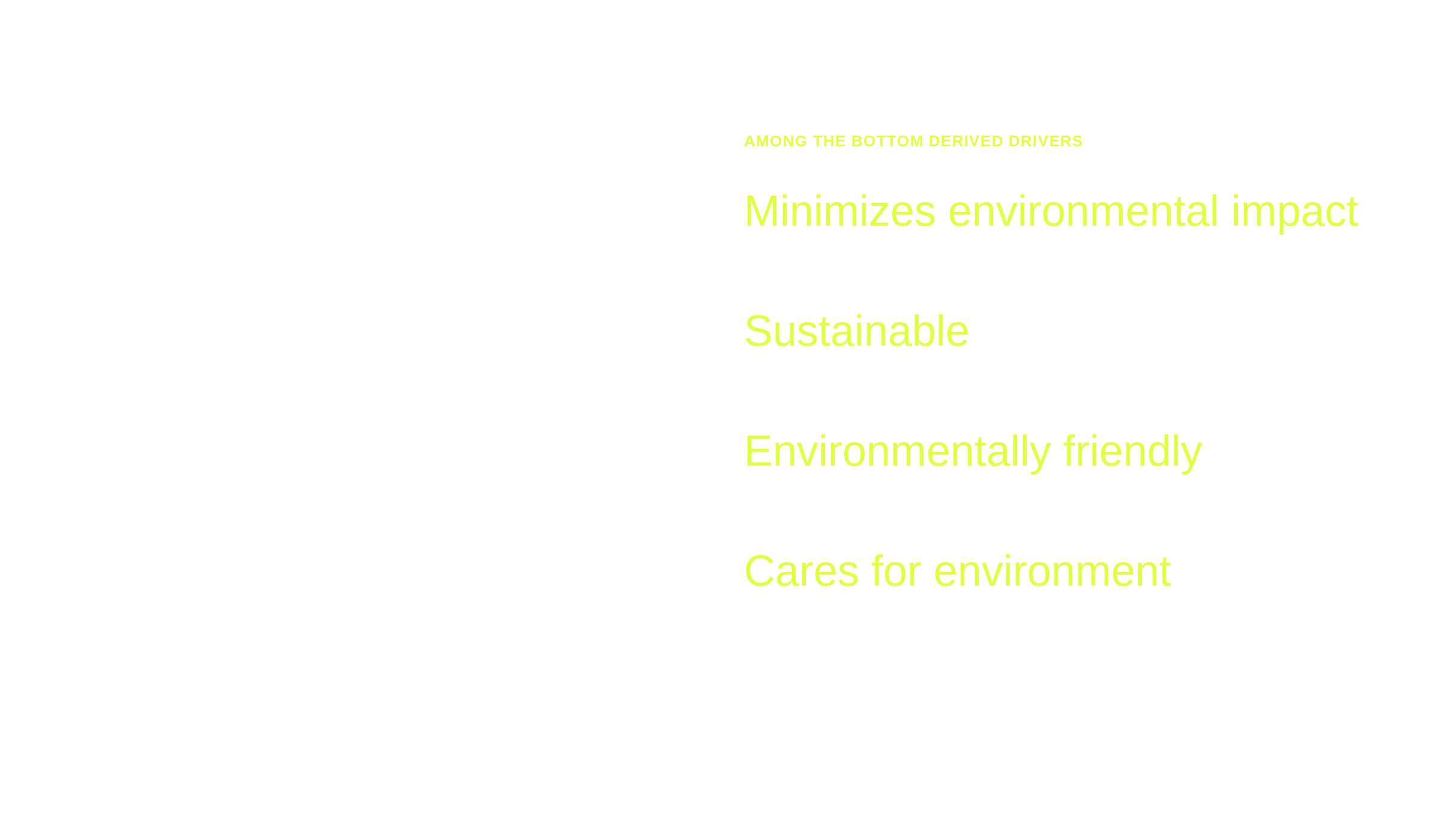
"Minimizes environmental impact", "Sustainable", "Environmentally friendly" and "Cares for environment" all sat among the bottom drivers.
Why purpose campaigns evoke the wrong emotion
Emotion makes advertising powerful, but it needs to be relevant to the category you are in. A toilet paper brand should not talk about world peace.
Purpose campaigns are guilty of evoking a single type of emotion, the kind that tugs on heartstrings, and it is often the wrong emotion for the category. There are many emotions. You are allowed to use them.
What purpose-led campaigns cost in business results
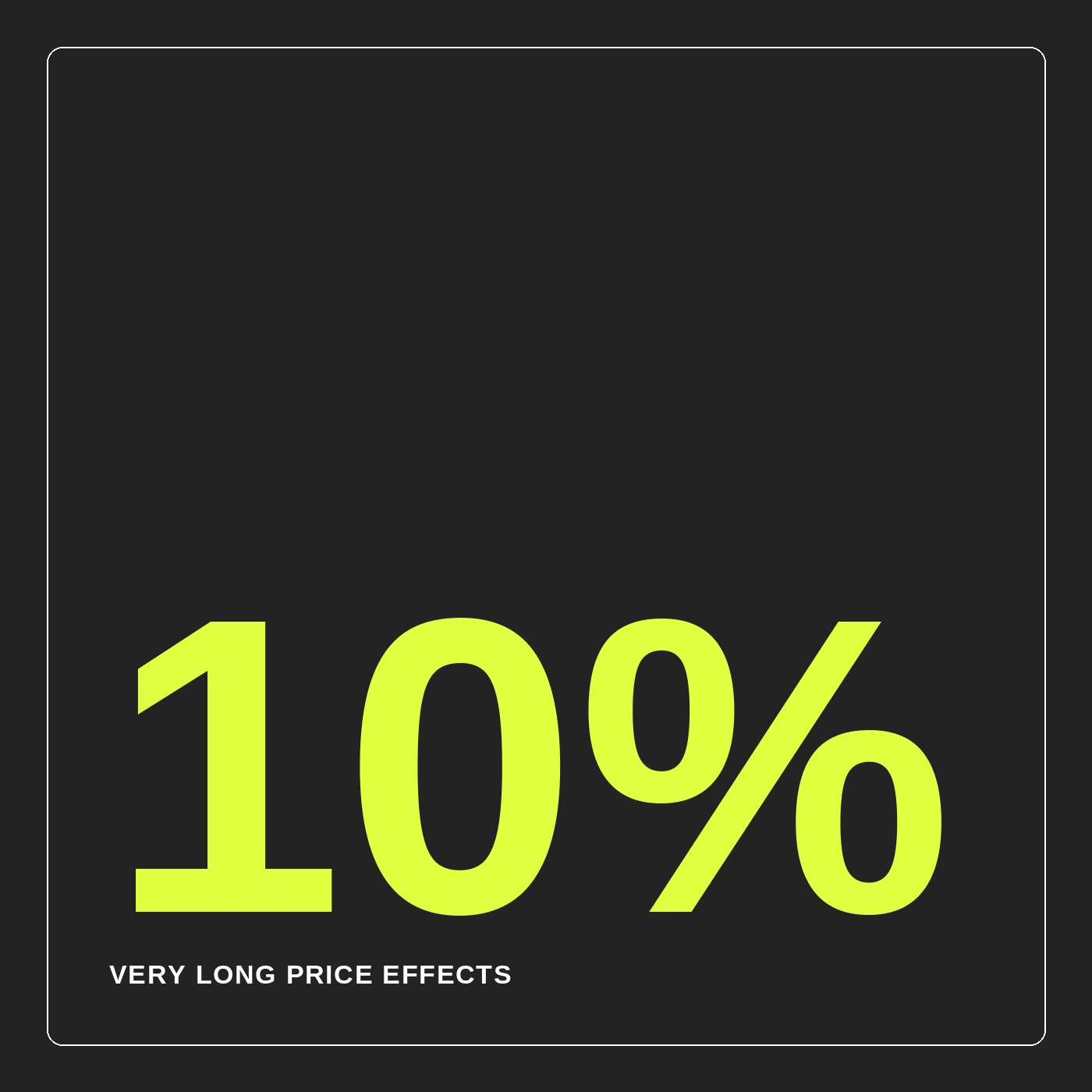
The three failures add up to weaker commercial performance. Purpose-led campaigns have fewer positive long-term business effects than non-purpose campaigns. Long-term business effects here means sales, market share, new customer acquisition, customer loyalty, pricing power and profit. Source: Peter Field, study of the IPA Effectiveness Awards Databank comparing 47 brand purpose cases with 333 non-purpose cases.
Some marketers already work this way. Abba Newbery, CMO of Habito, holds purpose as a direction rather than a message.
"If you take 'helping people find a home', that's every single mortgage you've ever seen, right? It's the category norm. So we are conscious of holding our purpose as our north star. But if we play it out, we know we've got it completely wrong." Abba Newbery, CMO, Habito
Why product-led brand campaigns fail challengers too
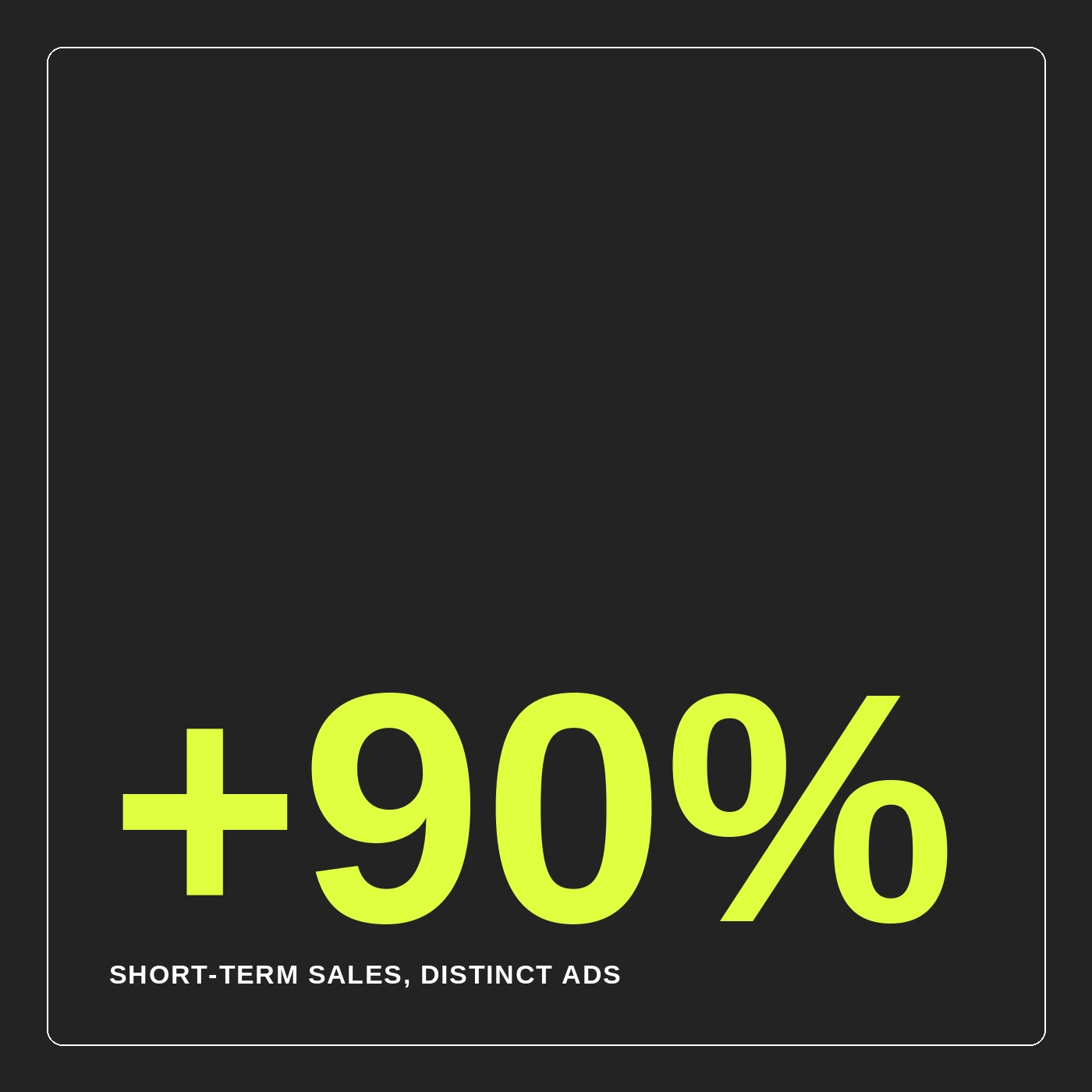
The obvious retreat is to product. Product-focused campaigns are powerful at driving short-term sales spikes, but they rarely build the brand with future customers. They fail for three reasons of their own.
- They can be just as generic as purpose campaigns. The message centers on functional benefits that are often common to many brands in the category, so the result is same-y advertising that fails to stand out.
- They often undershoot the market. Coded language and boring specifics are only familiar or interesting to current customers, so the campaign fails to engage the future customers who are not yet interested in the category. The same problem runs through most content programs, as set out in most B2B content is written for the wrong buyer.
- They are overly rational and fail to evoke emotion. Isolating a specific benefit to promote is only half the job. The real work is bringing that benefit to life in a fresh, memorable and intelligent way, which is the subject of dramatizing your differences.
Too high or too low on the benefit ladder
Put the two failures side by side and they mirror each other.
- Message. Purpose-led campaigns are bland because the message sits too high on the benefit ladder. Product-led campaigns are bland because it sits too low.
- Audience. Purpose overshoots the market with macro themes that rarely influence purchase. Product undershoots it with specifics only relevant to people already in the category.
- Outcome. Purpose evokes the wrong emotion. Product evokes no emotion.
Purpose-led brand campaigns are bland because they climb too high on the benefit ladder. Product-led campaigns are bland because they never leave the bottom rung.
The space between the two is where positioning sits, and why it works is set out in why good positioning makes brand marketing work.
Adapted from How challengers can position for growth, a Creative Business Company whitepaper.